Dožínky Harvest Festival
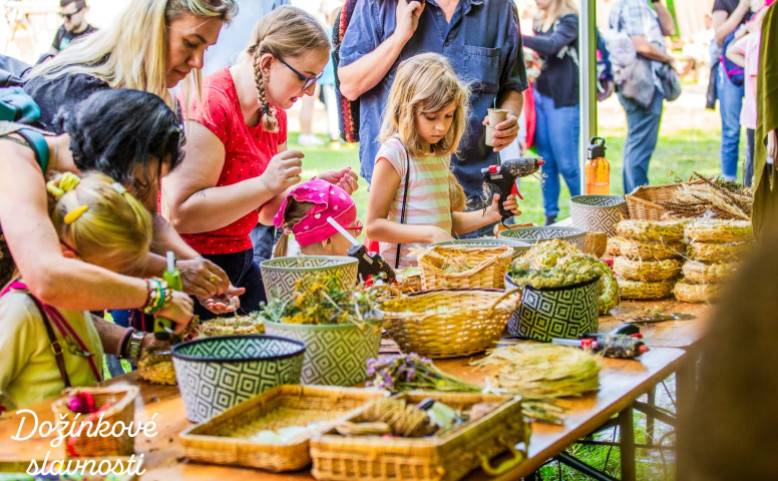
A traditional harvest celebration featuring a rich cultural program, regional food tastings, and craft markets.
For six years, "Dožínky na Letné" was the largest farmers' market held on the Letná Plain. For this year's seventh edition, we look forward to welcoming you to a brand new venue and under a new name. This year, the festival moves to Holešovice, and we hope to see as many enthusiastic visitors as in previous years. The "Dožínky Harvest Festival" will take place on September 12, 2026, at the Výstaviště Holešovice exhibition grounds. As Prague's largest farmers' market, the event will once again offer a wide range of products from farmers and producers across various regions. Visitors can look forward to traditional folklore performances, craft demonstrations, tastings of regional specialties, competitions, and a wide variety of activities for children. Výstaviště Holešovice will also host an exhibition of farm animals and agricultural machinery. The festival aims to bridge the gap between urban and rural life, connecting farmers with consumers, celebrating a successful harvest, and strengthening our bond with nature. Come and share this joyful occasion with us! We look forward to seeing you there! Harvest Customs and Traditions: In Slavic folk culture, "Dožínky" represents the traditional harvest festival celebrated at the end of the reaping season. What are some of these traditional customs? Many rituals revolved around the last bound sheaf of grain. In Czech tradition, this sheaf was called "baba" (old woman), "stará" (the old one), or "nevěsta" (the bride), and was often shaped to resemble a female figure. Through these celebrations, people marked the completion of a year's hard work in the fields, celebrating the successful storage of crops in barns to secure food for the coming year. The festivities also included a festive procession from the fields, with participants adorned with flowers and ears of grain. A key element was the harvest wreath, kept in the home as a symbol of gratitude for food and to bring abundance and fertility. Later, the wreath was dismantled; the straw was fed to livestock, and the grain was preserved until spring to be mixed with new seeds for a blessed harvest. In other regions, the grain from the wreath was added to Christmas baking or fed to chickens to ensure good egg production throughout the year.